What Goes Into a Car Key Replacement: Cut, Code, and Program
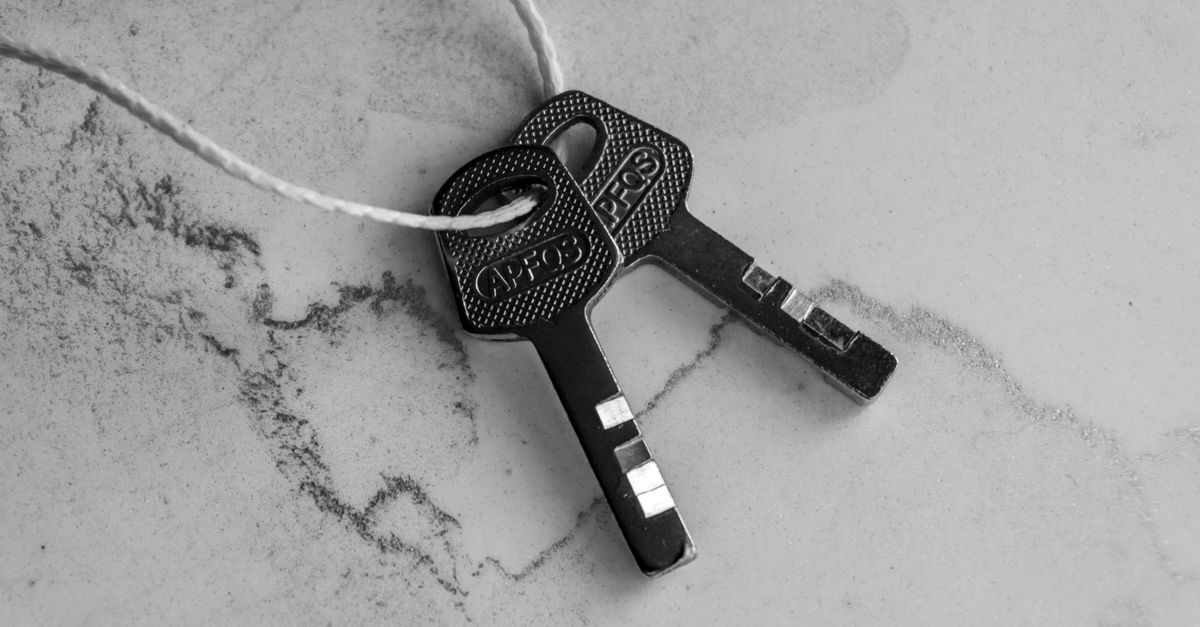
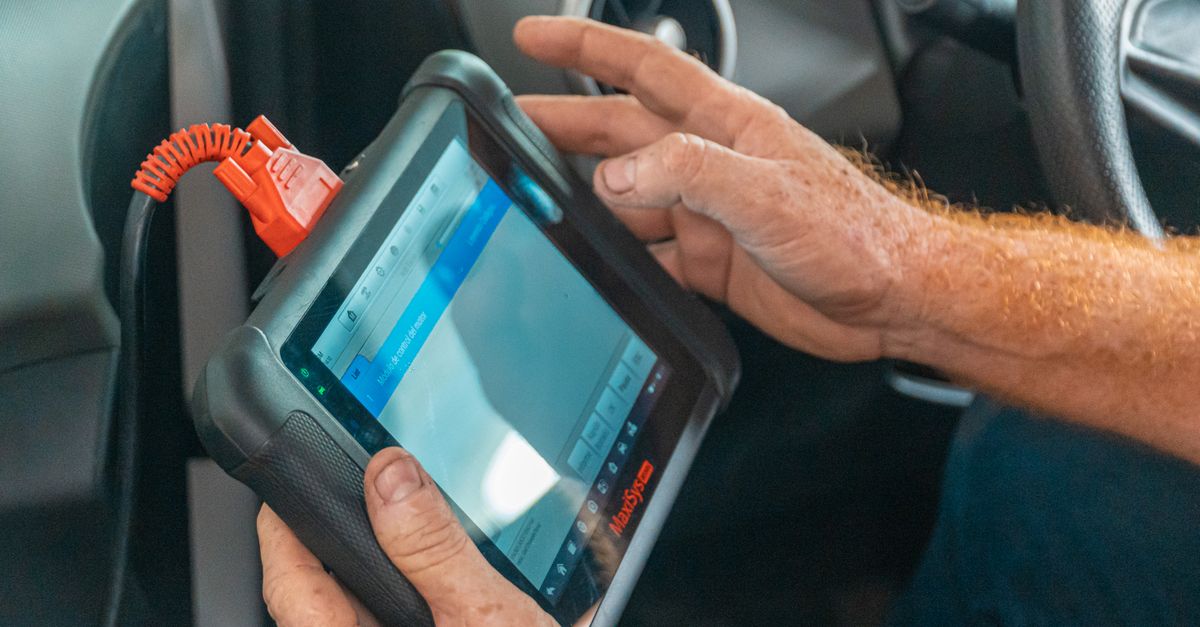
Replacing a vehicle key involves up to three distinct steps, and understanding them helps you know exactly what you are paying for. First, the key blade must be cut to match your door and ignition lock profile — this can be done by code (using the vehicle's VIN and factory code database) or by decoding the existing lock directly, which is useful when you have lost all copies. Second, if your vehicle uses a transponder — which covers most cars built after the mid-1990s — a chip inside the plastic head of the key must be cloned or newly programmed to communicate with the engine control unit. Without that step, the engine simply will not start, even with a perfectly cut blade. Third, for push-to-start vehicles and proximity fobs, the frequency and rolling code must be synchronized to the car's receiver module, a process that requires manufacturer-level software tools.
The make and model of your vehicle determines which of these steps apply and how involved each one is. A late-model Honda CR-V with a smart key requires different tooling than a 2008 Chevrolet Silverado with a basic transponder, and a Mercedes-Benz with Keyless Go demands a different programming protocol entirely. Our mobile technicians arrive with multi-platform programming devices that cover a broad spectrum of domestic and import vehicles — domestic brands like Ford, GM, Chrysler, and Jeep, Japanese makes including Toyota, Honda, Subaru, and Mazda, and European marques such as BMW, Volkswagen, and Audi. If you are unsure whether we cover your specific year and model, call (617) 507-3519 and we will confirm before dispatching.