Signs Your Door Knob Lock Needs Replacing — Not Just Repairing
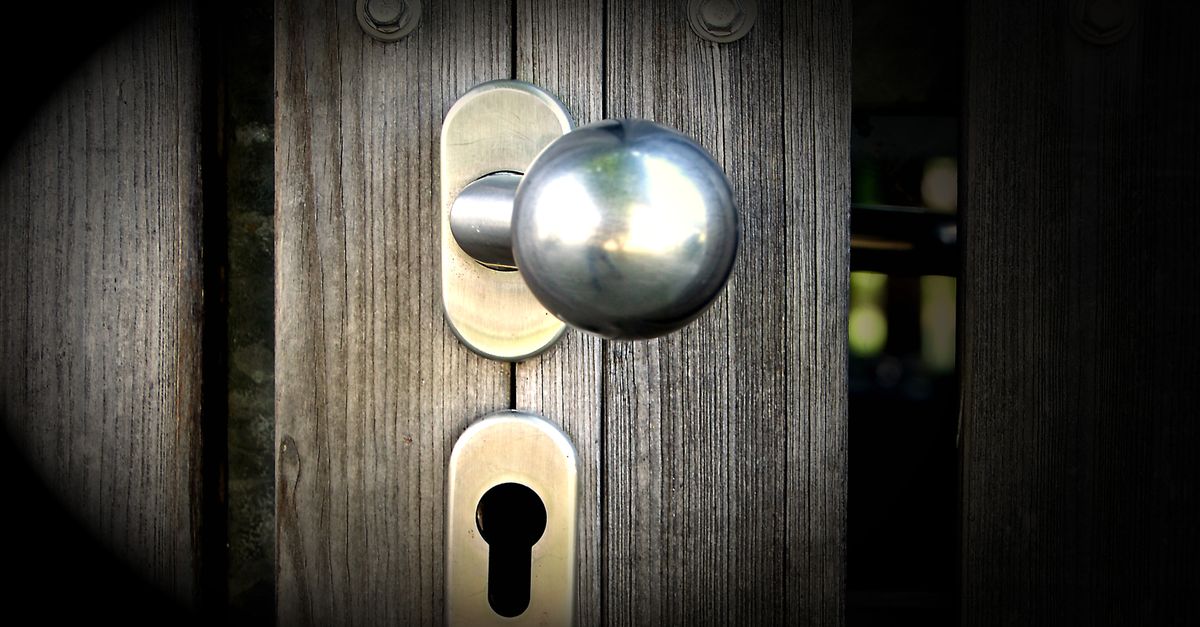
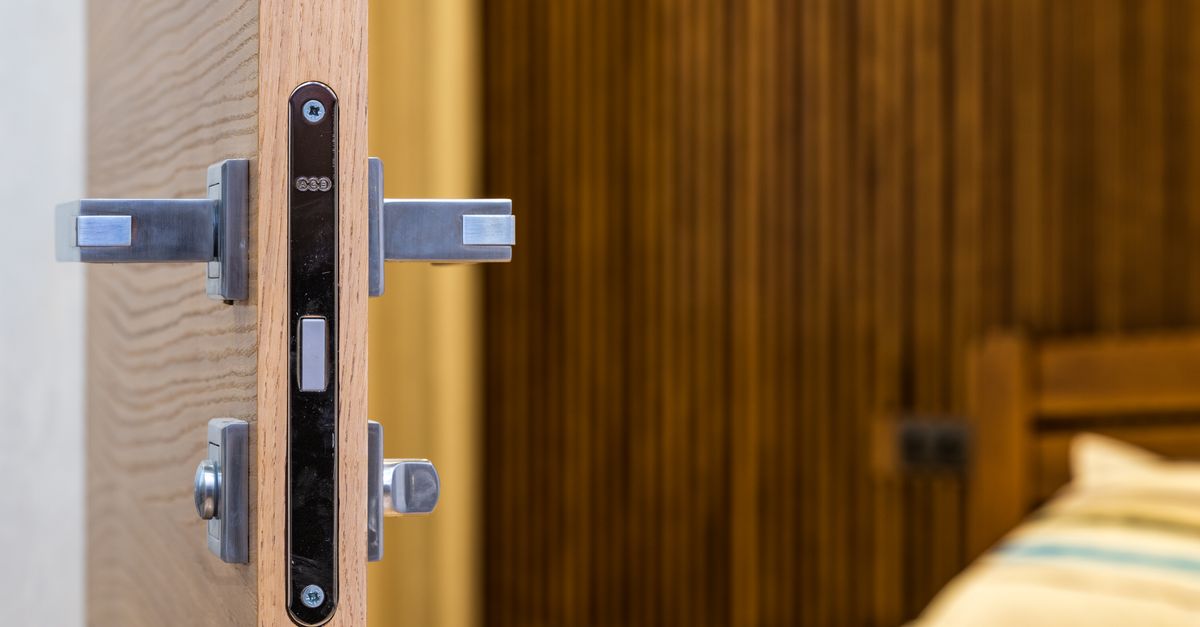
A loose knob is the most obvious red flag, but it is rarely the only one. Watch for a cylinder that turns harder than usual, a latch bolt that no longer springs back cleanly, visible corrosion around the collar, or a key that suddenly needs to be jiggled before it will turn. Any of these symptoms points to internal wear that cleaning and lubrication cannot fully reverse. On exterior doors — the kind that face Quincy's coastal salt air year-round — metal fatigue inside a knob with lock and key mechanism can advance quickly, especially on doors that face east toward the harbor. Interior failures are usually slower but just as disruptive: a door knob with lock for a bedroom or bathroom that stops latching properly eliminates the privacy and basic security that room is supposed to provide.
Repair is sometimes the right call — a loose set-screw or a misaligned strike plate can be corrected in minutes. But when the internal cam, the spindle, or the cylinder housing itself is worn, replacement is the more cost-effective and durable answer. Our technicians will assess the existing hardware honestly and tell you which path makes sense before any work begins.