A1 Quincy Locksmiths Service Team
Local locksmith team
Jun 25, 2026 11 min read
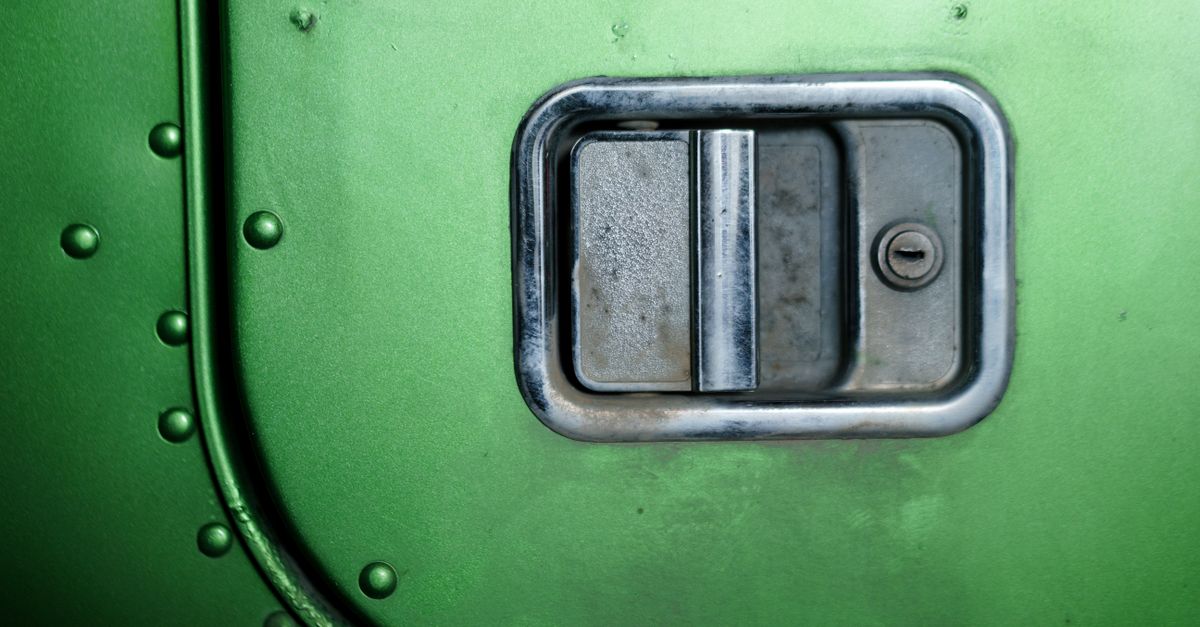
A stuck door knob lock has a way of happening at the worst possible moment — groceries in both hands, running late, or coming home after dark on a rainy Quincy night. Before you assume the worst or start hunting for a spare key buried somewhere in your car, it's worth knowing that many door knob lock problems have surprisingly simple explanations and fixes you can try yourself in under five minutes.
This guide walks you through the most common reasons a knob lock stops turning, the safe checks you can do right now, and the clear signs that it's time to stop wrestling with it and call a trained locksmith instead. We'll also cover what a locksmith actually does in these situations, why mortise lock work is a specialty of its own, and what to expect when you make that call — no guesswork, no surprises.
## Why Your Door Knob Lock Won't Turn: Start With the Obvious
A door knob with lock that suddenly refuses to budge is almost always caused by one of five things: a misaligned latch bolt, a worn or dirty key, a seized lock cylinder, a door that has shifted in its frame, or a lock that has simply reached the end of its service life. Quincy homes — especially the triple-deckers along Hancock Street and the older colonials in Wollaston — deal with wood-frame door swells every spring and fall as humidity changes. That swelling can put enough lateral pressure on the latch that the cylinder feels frozen even though nothing is mechanically broken. Before you call anyone, rule out the simple stuff first.
Start by checking whether the door itself is binding against the frame. Push the door firmly inward while you try turning the knob — if the lock suddenly moves, a shifted door is your culprit, not the lock mechanism. Next, look at your key. A key that is bent even slightly, dirty with pocket lint, or worn smooth on the cuts can fail to engage the pins inside the cylinder correctly. Try a spare key if you have one. Spray a small amount of dry graphite lubricant (not WD-40, which attracts grime over time) into the keyway and work the key in and out a few times. These two checks alone resolve a surprising number of service calls.
## Door Knob Lock Fixes You Can Safely Try at Home
If the basic checks above haven't solved it, there are a few more things a homeowner can reasonably attempt before calling for help. First, inspect the strike plate — the metal plate on the door frame that the latch bolt clicks into. Over time screws back out and the plate shifts, creating a misalignment that stops the latch from retracting smoothly. Tightening those screws or tapping the plate back into position with a rubber mallet can fix the issue in minutes. Second, check the interior turn-button or privacy button on a door knob with lock for bedroom use: it's easy to accidentally engage the privacy function and forget, leaving the outside knob spinning freely while you stand there confused.
One thing to be clear about: you may come across advice online explaining how to pick a door knob lock or how to pick a lock door knob using improvised tools. We'd encourage you to skip those techniques entirely. Attempting to pick or force a lock without proper training routinely causes damage to the cylinder, the cam, or the door itself — damage that turns a straightforward service call into a full lock replacement. It can also raise questions from neighbors or law enforcement if you're seen working on a door from the outside. The legitimate path when self-help doesn't work is to verify you have access to a spare key, check other entry points like a back door or garage, and then contact a qualified locksmith who can verify ownership and resolve the issue without damage.
## What a Locksmith Actually Does — and Why Mortise Lock Work Is a Specialty
People often ask: what exactly does a locksmith do? The short answer is a lot more than most homeowners realize. A trained locksmith diagnoses why a lock has failed, services or replaces the cylinder, re-keys locks so old keys no longer work, installs new hardware, extracts broken keys, responds to lockouts, and advises on security upgrades — all without damaging the door or frame. You might also hear locksmiths called by other names: key cutters, security technicians, safe engineers, or (in older usage) lockmen. The profession covers residential, commercial, and automotive work, and those are genuinely different skill sets.
One area where specialization really matters is mortise lock service. A mortise lock is the type of lock built into a rectangular pocket (the mortise) cut into the edge of the door, common in Quincy's older apartment buildings and commercial storefronts. Unlike a standard knob lock or deadbolt that surface-mounts to the door, a mortise lock contains an intricate multi-component body — latch bolt, deadbolt, and sometimes a nightlatch — all within one case. Servicing a mortise lock incorrectly can split an old door stile or leave the door unable to latch at all. Our team handles mortise lock repair and replacement regularly, and it's the kind of work that rewards experience over guesswork. If your building has a mortise-style entry and the mechanism has become stiff, grinding, or intermittent, that's a specific call worth making to a locksmith who works on them daily — not a general handyman.
## Emergency Locksmith Response: When to Stop Trying and Make the Call
There's a clear line between troubleshooting and making things worse. If you've tried the steps above and the lock door knob still won't turn, if you can hear or feel grinding inside the cylinder, if the key turns but the latch doesn't move, or if the key is stuck and won't come back out — stop. Continued force risks snapping the key inside the cylinder, cracking the cylinder housing, or damaging the door frame. At that point you need an emergency locksmith, not a YouTube tutorial.
A1 Quincy Locksmiths operates 24 hours a day, 7 days a week across the Quincy area, including North Quincy, Merrymount, Germantown, and surrounding neighborhoods. Whether it's a front door lockout at midnight or a broken lock cylinder discovered before a morning commute, you can reach us any time at (617) 507-3519. When you call, we'll ask a few quick questions to understand the situation — the type of lock, whether you have ID to verify ownership or tenancy, and your exact location — so we arrive prepared with the right tools and parts. We confirm an exact price before any work begins; the final quote reflects factors like the type of lock involved, whether parts are needed, the time of day, and travel distance to your address. No surprises once we're at your door.
## Lock Terminology, Specializations, and How Regulation Differs Around the World
Understanding a few basic terms helps you describe your problem clearly when you call, which leads to faster, more accurate service. The cylinder is the part your key enters. The cam is the piece the cylinder rotates to retract the latch. The latch bolt is the spring-loaded angled piece that clicks into the strike plate. The deadbolt is a separate bolt that requires a full key turn. A knob lock refers specifically to the rounded grip style — different from a lever handle, a deadbolt, or a mortise lock, all of which involve different internal mechanisms and different repair approaches. Knowing which you have before you call helps us confirm what tools and replacement parts to bring.
Locksmith specializations also vary more than most people expect. Residential locksmiths focus on home entry systems, re-keying, and lock upgrades. A commercial locksmith works on higher-security systems, master-key suites, access control, panic hardware, and — very commonly — mortise locks on storefront and office doors. Automotive locksmiths handle transponder keys, smart keys, and vehicle entry. Safe technicians are a specialty of their own. Regulation of the profession differs significantly by country: in the United Kingdom, locksmiths are currently unregulated at the national level, meaning anyone can legally trade as one, which makes vetting credentials especially important for UK consumers. In the United States, licensing requirements vary by state — Massachusetts does not currently mandate a statewide locksmith license, but that makes a locksmith's track record, insurance status, and verifiable experience even more important signals of quality. In countries like Australia and many parts of Europe, formal licensing and criminal background checks are legally required before a locksmith can operate. Wherever you are, asking whether a locksmith is insured and how long they have been in business are two of the most useful questions you can ask. Regarding tipping: should you tip your locksmith? There's no industry standard, and tips are never expected, but they are genuinely appreciated for fast response, late-night calls, or particularly tricky jobs. A short positive review is equally valued and helps other homeowners find trustworthy help. One question that comes up occasionally — is there a locksmith app for Shopify? — is a different domain entirely: that refers to software tools for e-commerce store management, not physical locksmith services, so it's outside our scope. Can a locksmith make a key from a lock? Yes — a skilled locksmith can decode the cuts of a lock cylinder and cut a working key from it, even if no original key exists. It's a routine service for homeowners who've lost all copies. How much will a locksmith charge to change a lock? The price depends on the lock type (a basic knob lock differs significantly from a mortise lock or a high-security cylinder), the number of locks, any parts required, and the time of day — we always confirm the exact figure before starting, so you know the full cost upfront.
## 25 Locksmith Services We Provide in the Quincy Area
Our team handles a wide range of residential, commercial, and automotive needs across Quincy and surrounding communities. Here is a specific look at what we do: residential door knob lock repair and replacement; mortise lock servicing and full replacement; deadbolt installation on entry and interior doors; lock re-keying so existing keys no longer work; master key system setup for landlords and property managers; broken key extraction from cylinders and ignitions; door knob with lock and key replacement after a lost-key situation; high-security cylinder upgrades (Schlage, Kwikset, and comparable hardware); strike plate repair and reinforcement; door frame realignment consultation; sliding glass door lock repair; gate lock installation and repair; padlock opening and replacement; storage unit lock service; mailbox lock repair; commercial storefront lock service; panic bar and push-bar hardware installation; access control keypad integration; car lockout response for most domestic and import makes; automotive key cutting and programming; transponder key duplication; ignition cylinder repair; safe opening (non-destructive where possible); safe combination changes; and emergency after-hours lockout response, 24 hours a day, every day of the year. If your situation isn't on this list, call us anyway — chances are we've handled it before.
Frequently asked questions
My door knob with lock turns but the latch won't retract — what's wrong?+
This usually means the cam inside the lock body has worn down or disconnected from the latch mechanism, or the latch bolt itself is seized with corrosion or paint buildup. Try spraying a dry graphite lubricant into the keyway and around the latch bolt face, then work the knob back and forth. If that doesn't free it, the internal mechanism has likely failed and the lock needs to be disassembled — a job for a trained locksmith. Continuing to force it risks snapping the cam entirely, which complicates the repair.
Can a locksmith make a key from a lock if I've lost all my copies?+
Yes, and it's one of the more common requests we handle. A skilled locksmith can decode the lock cylinder — either by disassembling it or using specialized tools to read the pin heights — and then cut a new key to match. It works on most standard residential knob locks, deadbolts, and mortise locks. The process is straightforward when the cylinder itself is in good condition. If the cylinder is heavily worn, we may recommend replacing it and providing fresh keys at the same time.
How much will a locksmith charge to change a lock on my front door?+
There's no single flat answer because several factors shape the final price: the type of lock currently installed (a basic knob lock costs less to swap than a full mortise lock body), whether you're supplying the replacement hardware or we are, the time of day (overnight and holiday calls involve a different rate), and travel distance to your address in or around Quincy. What we can guarantee is this — we confirm an exact price before any work begins, so you always know the full cost upfront. Call (617) 507-3519 and we'll walk through the specifics with you.
Should I tip my locksmith, and what's a fair way to show appreciation?+
Tipping a locksmith is never required or expected, but it is a genuinely appreciated gesture — especially for late-night emergency calls, tricky mortise lock jobs, or situations where the technician went out of their way to minimize damage or explain your options clearly. There's no industry-standard amount; anything you're comfortable with is appropriate. If tipping doesn't feel right, leaving an honest online review is equally meaningful and helps other Quincy homeowners find dependable help when they need it most.